
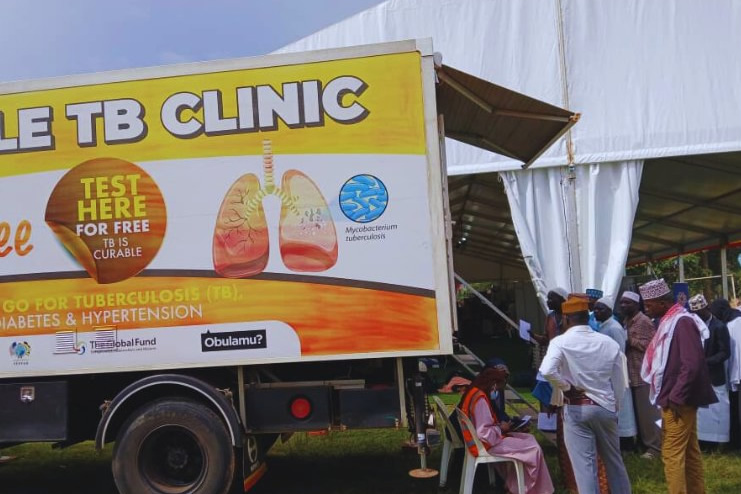
Overview:
TB - A Persistent Threat to Public Health
Despite ongoing efforts, Tuberculosis (TB) remains one of the most significant public health challenges in Uganda. In 2023, Uganda was ranked among the 30 highest TB burden countries globally, with TB affecting not only the health of individuals but also the nation’s socio-economic development. With an estimated over 50,000 new TB cases annually, Uganda continues to face significant challenges in combatting this disease. In addition, TB remains a leading cause of death among Ugandans, particularly in high-risk groups such as people living with HIV.
TB is an infectious disease that primarily affects the lungs, but it can also impact other parts of the body. It is spread through the air when an infected person coughs, sneezes, or talks. Uganda’s fight against TB is critical for improving the nation’s public health and development outcomes.
Key TB Statistics in Uganda
- Annual TB Incidence: Uganda reports over 50,000 new TB cases each year, with an estimated 30,000-40,000 additional cases going undiagnosed.
- TB Mortality Rate: TB is responsible for over 10,000 deaths annually, making it one of the top causes of mortality in Uganda.
- TB/HIV Co-infection: Approximately 40% of people living with HIV are also co-infected with TB, further complicating treatment and increasing mortality rates.
- Drug-Resistant TB: The emergence of drug-resistant TB (DR-TB) poses a significant challenge to TB control in Uganda, making treatment longer, more expensive, and less effective.

Have any Questions? Call us Today!
+256 772 615664
USTP Reports
Stay informed with our latest reports on the TB situation in Uganda.