
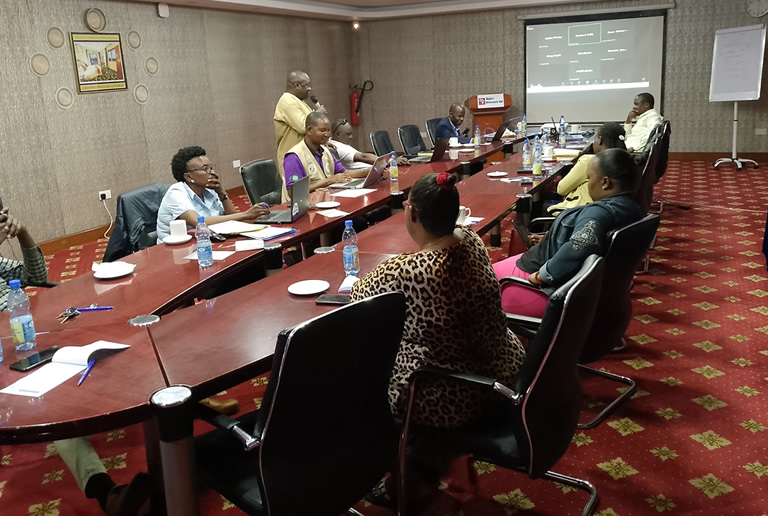
At Uganda Stop TB Partnership (USTP), the fight against tuberculosis (TB) isn’t limited to the grassroots level—it extends to the highest levels of governance. Through strategic advocacy, USTP is not only driving awareness but also influencing policy decisions, mobilizing resources, and shaping the direction of Uganda’s TB eradication efforts. This article explores how USTP’s advocacy efforts engage policymakers, parliamentarians, and health officials to push for improved funding, stronger policies, and more impactful public health initiatives aimed at ending TB in Uganda.
Engaging Policymakers for Change
USTP’s advocacy efforts start at the core of Uganda’s government. By engaging directly with key policymakers and health ministers, USTP ensures that TB remains a priority on Uganda’s national health agenda. Through regular consultations, policy dialogues, and roundtable discussions, USTP provides evidence-backed recommendations that emphasize the need for increased funding and improved TB care services.
One of the key ways USTP has influenced TB policy is by advocating for increased government funding for TB control programs. Recognizing that TB remains one of Uganda’s leading public health challenges, USTP has worked tirelessly to convince decision-makers that investing in TB prevention and treatment today will prevent further economic and social burdens in the future. As a result, government allocations for TB programs have increased, enabling expanded access to TB diagnostics and treatments across Uganda.
Building Alliances with Parliamentarians
USTP’s advocacy work also extends to the legislative branch, where parliamentarians play a vital role in shaping national health policy. USTP organizes advocacy campaigns and events that bring together MPs and other key stakeholders to discuss TB-related issues, ensuring that the concerns of affected communities are heard. These events often feature testimonies from TB survivors, health workers, and community leaders, all of whom share their lived experiences and the urgent need for action.
For example, USTP has facilitated Parliamentary Briefings on TB, where MPs are given up-to-date data on TB prevalence, treatment outcomes, and the social and economic impact of the disease. These briefings serve as a platform to emphasize the importance of strong legislation to support TB eradication efforts. As a result of these advocacy efforts, several MPs have taken proactive steps to sponsor bills aimed at improving the national TB response.
Collaboration with Health Officials and Key Health Bodies
USTP’s work with health officials goes beyond just raising awareness—it’s about creating a coordinated, multi-sectoral approach to TB control. USTP actively engages with the Ministry of Health, Uganda’s National TB Control Program, and other health agencies to ensure that Uganda’s TB policies align with international best practices. By collaborating with these agencies, USTP helps to streamline efforts and promote comprehensive TB programs that cover prevention, treatment, and care.
Moreover, USTP organizes or participates in major health events and advocacy campaigns that serve as platforms for educating both officials and the public. For example, during World TB Day, USTP organizes high-level meetings with health ministers and public health experts to discuss the national response to TB and to push for better coordination between local and national health programs.
Key Advocacy Events and Milestones
One of USTP’s most significant advocacy successes occurred during the National TB Conference, where USTP successfully mobilized a wide array of stakeholders—community leaders, TB survivors, healthcare providers, and policymakers—around the need for better resource allocation for TB programs. This event not only highlighted the critical need for more robust TB policies but also served as a platform for community members to voice their challenges and needs directly to those in power.
Additionally, USTP’s World TB Day events have become a cornerstone of its advocacy strategy. By organizing TB awareness campaigns, including public forums and media engagement, USTP ensures that the message of ending TB reaches policymakers while also reinforcing the urgency of addressing TB as a top public health priority. These events have been pivotal in keeping TB on the national agenda, fostering conversations about funding gaps, and advocating for TB-friendly policies at both local and national levels.
Influencing International Policy and Partnerships
USTP’s advocacy doesn’t stop at Uganda’s borders. Through its participation in regional and global health forums, USTP ensures that Uganda’s TB policies align with international commitments to global health. Whether through collaborations with WHO, UNICEF, or other regional TB organizations, USTP helps bring Uganda’s TB priorities to the international stage, making sure the country’s needs are acknowledged in global TB dialogues.
By raising Uganda’s profile in international TB discussions, USTP also attracts vital donor funding and technical support to bolster the national response to TB. Their strategic engagement at these forums has led to increased support from global organizations to tackle Uganda’s TB burden.
The Road Ahead: Expanding Advocacy Efforts
While USTP has made significant strides in influencing TB policy in Uganda, the journey is far from over. Continued advocacy efforts are needed to ensure that TB policies remain adaptive and responsive to emerging challenges, such as drug-resistant TB and the impact of COVID-19 on TB care and services.
USTP is committed to driving continued policy reform through grassroots mobilization, targeted lobbying, and evidence-based advocacy, ensuring that the government and international partners remain committed to TB elimination.
Conclusion
From the ground to governance, USTP’s advocacy efforts play a crucial role in shaping Uganda’s approach to TB control. By engaging policymakers, parliamentarians, health officials, and international partners, USTP ensures that the fight against TB remains a national priority. As USTP continues to push for stronger policies, better funding, and more effective public health initiatives, Uganda edges closer to the goal of eradicating TB and building a healthier, TB-free future for its people.